Understanding Disorders of Sex Development (DSD): A Medical and Biological (Light) Overview
Disorders of Sex Development (DSD) are congenital conditions defined by atypical development of chromosomal, gonadal, or anatomical sex. This resource provides a fact-based, clinical overview of the biological origins, classifications, and lifelong health considerations associated with various DSDs. The information presented here is intended for educational purposes and to facilitate informed discussions. It is not a substitute for professional medical advice. We strongly encourage you to consult with your medical team or other qualified healthcare professionals for diagnosis and management.
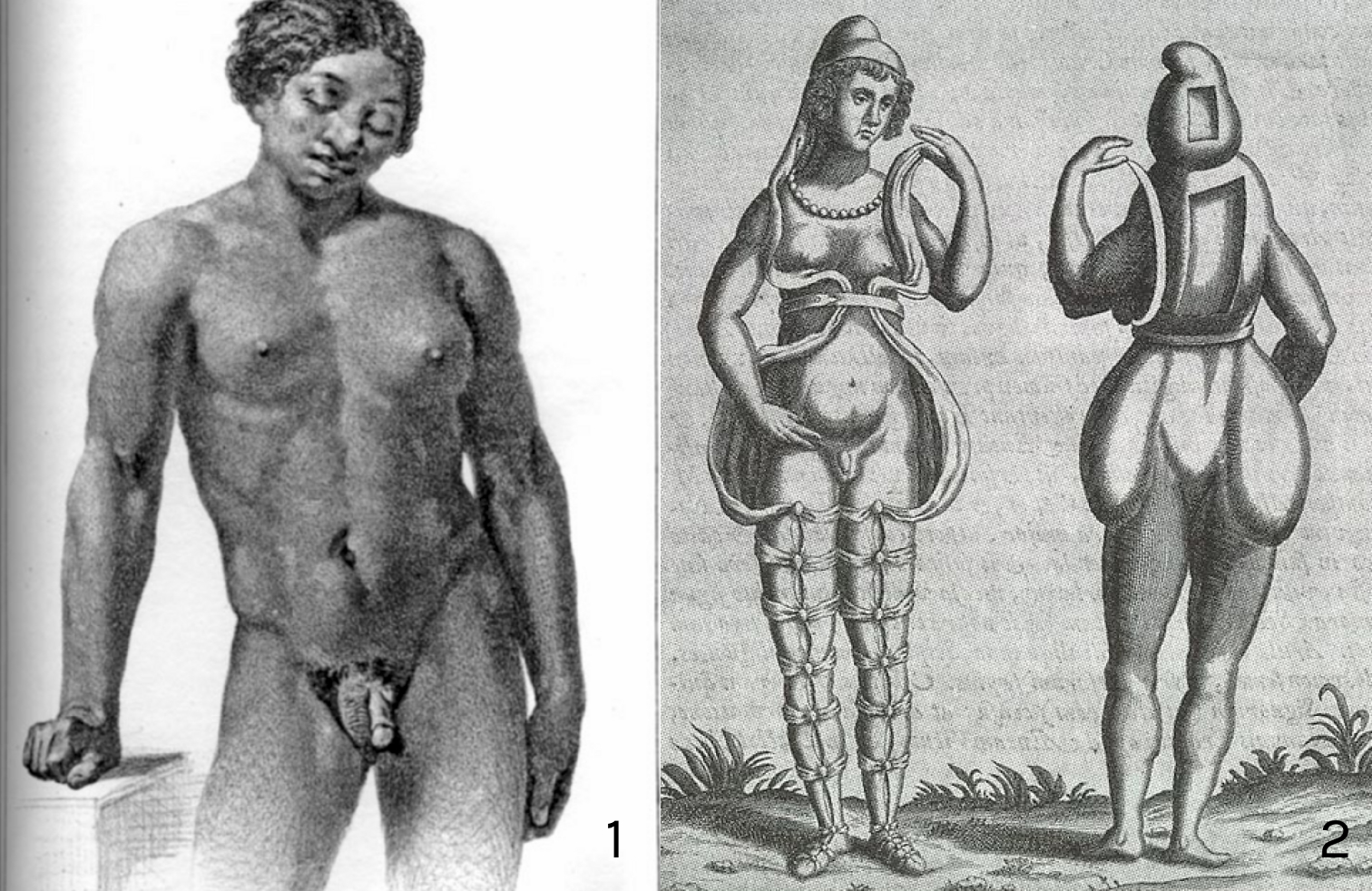
Image Sources
Understanding DSD
What are Disorders of Sex Development?
Medically, DSD refers to a group of congenital conditions where there is a discrepancy between the external genitalia and the internal gonads (testes or ovaries). The term "intersex" is an older term that has been largely replaced in clinical settings by the more precise nosology of DSD. These conditions can be identified at birth, during puberty, or in adulthood, often during investigations for issues like delayed puberty or infertility.
The Importance of Precise Medical Terminology
What are Disorders of Sex Development?
In clinical genetics and pathology, specific terms are used to ensure diagnostic accuracy and clear communication among healthcare professionals. Words like 'disorder,' 'anomaly,' and 'mutation' have precise, neutral scientific meanings. While these terms can have negative connotations in everyday language, their use in a medical context is not judgmental but is essential for accurately diagnosing and managing complex health conditions.
Mutation
A neutral, technical term for a permanent change in a DNA sequence. A mutation can be harmful, beneficial, or have no effect.

Anomaly
A medical term for a deviation from the typical structure or form. Chromosome abnormalities are a major category of congenital anomalies.

Disorder
A term used when a genetic or chromosomal anomaly leads to a pathological outcome—a disruption of normal physiological function that requires medical management
The Biological Cascade of Sex Development
Human sex development is a sequential process. A disruption at any stage in this biological cascade can result in a DSD. Understanding this pathway provides a clear framework for how these conditions originate.
Key Stages
Chromosomal Sex
Established at fertilization (typically 46,XX or 46,XY).

Gonadal Sex
The SRY gene on the Y chromosome typically directs the bipotential gonads to become testes; its absence leads to the development of ovaries.
Hormonal Sex
The differentiated gonads (testes or ovaries) secrete hormones that direct further development.
Phenotypic Sex
Hormones guide the formation of internal reproductive structures and external genitalia.
Understanding Disorders of Sex Development (DSD): A Medical and Biological (Light) Overview
Full writtingLast update: March 25, 2026
Author: Aslan-Gabriel Moran
Author's background >> and notes: Aslan-Gabriel Moran
Disclaimers
- Nothing published here is medical or legal advice. For any health, safety, or legal matter, consult a qualified professional.
- Topics covered are selective and interest-based. They do not attempt to give a complete or balanced view of any field.
- Accuracy is a goal, but errors and omissions are possible.
Foundational Concepts in Sex Development and DSD Terminology
1.1. Clinical Definition and Classification of Disorders of Sex Development (DSD)
Disorders of Sex Development (DSD) are congenital conditions characterized by atypical development of chromosomal, gonadal, or anatomical sex.1 The core clinical feature is a discrepancy between the external genitalia and the internal gonads (testes or ovaries).3 These conditions represent a wide spectrum of genetic and endocrine variations that disrupt the canonical pathway of human sex differentiation. The term "intersex" is an older, broader term that has been largely replaced in clinical settings by the more precise nosology of DSD.1 While the term "Disorder" is medically accurate due to the high incidence of associated pathologies requiring clinical management, some patient advocacy groups prefer "Differences of Sex Development" to mitigate potential stigma.1 For the purposes of this clinical review, which focuses on pathophysiology and medical management, the term "Disorder" will be used to accurately reflect the medical context.
The clinical presentation of DSD is highly variable and can be identified at several key life stages. At birth, DSD may be suspected due to the presence of atypical genitalia, such as an enlarged clitoris (clitoromegaly), an abnormally placed urethral opening (hypospadias), an unusually small penis (micropenis), or fusion of the labia.3 In other cases, the external anatomy may appear typically male or female, and the underlying condition is not discovered until puberty. At this stage, DSD may manifest as delayed or absent pubertal development (e.g., failure to menstruate or develop secondary sexual characteristics), or as the unexpected development of characteristics incongruent with the assigned sex at birth.4 Finally, some individuals are not diagnosed until adulthood, often during clinical investigations for infertility.4
A robust classification system is essential for accurate diagnosis and management. The consensus framework, established to standardize nomenclature and clinical approach, categorizes DSDs into three principal groups based on the individual's sex chromosome complement3:
- Sex Chromosome DSD: These conditions are defined by an atypical number of sex chromosomes (aneuploidy). Examples include Turner Syndrome (typically 45,X) and Klinefelter Syndrome (typically 47,XXY).3
- 46,XY DSD:In these conditions, individuals possess the typical male chromosomal complement (46,XY) but exhibit incomplete masculinization (undervirilization) of the external genitalia, which can range from mildly atypical to completely female in appearance.3
- 46,XX DSD:In these conditions, individuals possess the typical female chromosomal complement (46,XX) but show virilization (masculinization) of the external genitalia. The internal reproductive organs (ovaries, uterus) are typically present.3
This classification system is not arbitrary but provides a logical framework rooted in the underlying pathophysiology. It directly reflects the potential points of failure in the sequential biological cascade of sex development, from the initial chromosomal signal to the final phenotypic outcome. For instance, a sex chromosome DSD represents a disruption at the foundational genetic level, whereas 46,XY and 46,XX DSDs represent failures at the subsequent stages of gonadal development or hormonal signaling, respectively. This framework is therefore a critical tool for differential diagnosis and for understanding the specific etiology of an individual's condition.
Table 1: A Medically-Based Classification of Major Disorders of Sex Development
| Category | Specific Condition | Karyotype | Core Genetic/Hormonal Defect | Typical Gonadal Anatomy | Typical Phenotype |
|---|---|---|---|---|---|
| Sex Chromosome DSD | Turner Syndrome | 45,X | Absence of one X chromosome | Streak gonads | Female, short stature, pubertal failure |
| Klinefelter Syndrome | 47,XXY | Presence of an extra X chromosome | Small, fibrotic testes | Male, tall stature, hypogonadism, infertility | |
| Trisomy X | 47,XXX | Presence of an extra X chromosome | Ovaries | Female, tall stature, variable neurodevelopmental issues | |
| 47,XYY Syndrome | 47,XYY | Presence of an extra Y chromosome | Testes | Male, tall stature, variable neurodevelopmental issues | |
| 46,XY DSD | Swyer Syndrome (Complete Gonadal Dysgenesis) | 46,XY | SRY gene mutation/deletion | Streak gonads | Female, pubertal failure |
| Androgen Insensitivity Syndrome (AIS) | 46,XY | AR gene mutation | Testes (intra-abdominal or inguinal) | Female (Complete AIS) or ambiguous (Partial AIS) | |
| 5-alpha-reductase deficiency | 46,XY | SRD5A2 gene mutation | Testes | Ambiguous genitalia at birth, virilization at puberty | |
| 46,XX DSD | 46,XX Testicular DSD (de la Chapelle Syndrome) | 46,XX | Translocation of SRY gene to an X chromosome | Small testes | Male, hypogonadism, infertility |
| Congenital Adrenal Hyperplasia (CAH) | 46,XX | Enzyme defect (e.g., 21-hydroxylase) leading to androgen excess | Ovaries | Female internal organs with virilized external genitalia | |
| Ovotesticular DSD | 46,XX or 46,XY or mosaic | Varies; presence of both ovarian and testicular tissue | Ovotestis or one ovary and one testis | Ambiguous genitalia |
1.2. The Medical Lexicon: A Technical Analysis of "Anomaly," "Mutation," and "Disorder" in Clinical Genetics and Pathology
The language used to describe DSD is a subject of both clinical precision and social sensitivity. In a medical and scientific context, terms such as "mutation," "anomaly," and "disorder" have specific, objective definitions that are essential for accurate diagnosis, research, and communication among healthcare professionals.
- Mutation: In genetics, a mutation is a neutral, technical term for a permanent change in the DNA sequence that makes up a gene or a chromosome.6 This change can be a single nucleotide substitution, an insertion, a deletion, or a larger-scale chromosomal rearrangement.7 Mutations can be inherited from a parent (germline mutations) or can occur spontaneously during an individual's lifetime (somatic or de novo mutations).9 Critically, the term itself does not imply a negative outcome; a mutation can be harmful, beneficial, or have no discernible effect on an organism's function.6 While the term "variant" is often preferred in patient communication to avoid the negative connotations popularly associated with "mutation," the word "mutation" remains the correct and precise scientific term for a change relative to the reference or wild-type DNA sequence.9
- Anomaly: Medically, an anomaly is a deviation from the typical or normal structure, form, or function.12 Congenital anomalies are structural or functional abnormalities that are present at birth, having occurred during intrauterine development.14 This term is descriptive and is used to classify a wide range of conditions, from minor physical variations to severe, life-threatening defects. Chromosome abnormalities, such as having an extra chromosome (trisomy) or a missing chromosome (monosomy), are a major category of congenital anomalies.13 The term is fundamental to fields like dysmorphology and teratology for categorizing and studying birth defects.
- Disorder: A genetic disorder is a health problem or disease state caused by one or more abnormalities in an individual's genome.16 This term explicitly links a genetic or chromosomal anomaly to a pathological outcome—a disruption of normal physiological function that leads to clinical signs and symptoms.18 The use of "Disorder" in the term "Disorders of Sex Development" is therefore clinically justified. It frames these conditions within a medical model that acknowledges the significant risk of associated comorbidities, such as infertility, increased cancer risk, osteoporosis, and metabolic disease, which often require lifelong medical surveillance and intervention.2
The discrepancy between the precise, neutral meanings of these terms in medicine and their often pejorative connotations in lay language presents a significant challenge in clinical practice.11 Public perception frequently associates "mutation" with monstrosity and "abnormal" or "disorder" with being defective or undesirable.11 This can lead to negative psychosocial impacts for patients and families, including anxiety and guilt.11 While healthcare providers must navigate this communication gap with sensitivity, it is crucial to recognize that the medical use of these terms is not intended to be judgmental. Rather, it is a necessary component of a scientific lexicon designed for precision in diagnosing and managing complex health conditions.21 This report will employ these terms in their strict, medically accurate sense to maintain scientific rigor and clarity.
1.3. The Biological Basis of Human Sex Determination and Differentiation
Human sex development is a complex and highly regulated biological process that occurs in a sequential cascade. A disruption at any stage of this cascade can lead to a DSD. The process can be understood through four fundamental stages: the establishment of chromosomal sex, the development of gonadal sex, the secretion of hormones, and the differentiation of phenotypic sex.
- Chromosomal Sex: This is the foundational level of sex determination and is established at the moment of fertilization. The combination of sex chromosomes from the parental gametes determines the genetic sex of the embryo. In humans, this is typically 46,XX for females and 46,XY for males.4 This chromosomal complement provides the initial genetic instructions that will guide the subsequent stages of development.
- Gonadal Sex: This is the pivotal step in the pathway. Early in embryonic development, all individuals possess bipotential or indifferent gonads, which have the capacity to develop into either testes or ovaries. The key genetic switch that directs this differentiation is the SRY (Sex-determining Region on Y) gene, located on the Y chromosome.5 In a 46,XY embryo, the SRY gene is expressed, triggering a cascade of downstream gene activity that causes the bipotential gonad to differentiate into a testis. In the absence of a functional SRY gene, as in a 46,XX embryo, a different genetic pathway is activated, leading to the development of an ovary.24
- Hormonal Sex: Once the gonads have differentiated, they begin to function as endocrine organs, secreting hormones that will direct the development of the internal and external reproductive structures. The newly formed testes produce two crucial hormones:
- Anti-Müllerian Hormone (AMH): Secreted by the Sertoli cells of the testes, AMH acts to cause the regression of the Müllerian ducts, which are the embryonic precursors of the uterus, fallopian tubes, and upper vagina.23
- Testosterone:Secreted by the Leydig cells of the testes, testosterone promotes the development of the Wolffian ducts into the male internal reproductive tract, including the epididymis, vas deferens, and seminal vesicles.3 In a 46,XX embryo, the developing ovaries do not produce AMH or significant levels of testosterone at this stage.
- Phenotypic Sex: This final stage involves the development of the external genitalia and secondary sexual characteristics, which is entirely dependent on the hormonal environment created by the gonads. In the male pathway, testosterone is converted in target tissues to a more potent androgen,dihydrotestosterone (DHT), by the enzyme 5-alpha-reductase. DHT is responsible for the masculinization of the external genitalia, including the fusion of the urethral folds, the fusion of the labioscrotal swellings to form the scrotum, and the growth of the genital tubercle into a penis.3 In the absence of testicular hormones (testosterone, DHT, and AMH), the developmental pathway defaults to female. The Wolffian ducts regress, the Müllerian ducts persist and develop into the uterus and fallopian tubes, and the external genitalia differentiate into the clitoris, labia, and lower vagina.23
This sequential model provides a clear biological framework for understanding DSDs. Each condition can be mapped to a specific failure point within this cascade, demonstrating that these are not random occurrences but predictable outcomes of disruptions in a well-defined developmental program.
Analysis of 46,XX DSD
Conditions classified as 46,XX DSD are characterized by the presence of a typical female chromosomal complement (46,XX) alongside varying degrees of virilization of the external genitalia. These disorders arise when the standard female developmental pathway is overridden, either by the anomalous development of testicular tissue or by exposure to excessive androgens from a non-gonadal source. This demonstrates the remarkable plasticity of phenotypic development, which can be profoundly influenced by a single aberrant gene or an altered hormonal environment, even in the context of a 46,XX karyotype.
2.1. Disorders of Gonadal (Ovarian) Development
46,XX Testicular DSD (de la Chapelle Syndrome)
Etiology:
46,XX Testicular DSD, also known as de la Chapelle Syndrome, is a rare condition with an estimated incidence of 1 in 20,000 male births. 1 The underlying cause in approximately 90% of cases is an illegitimate recombination event during paternal meiosis. In this event, a crucial segment of the Y chromosome containing the (See more in footnote A)
SRY gene is translocated onto the X chromosome.26 When a sperm carrying this aberrant X chromosome fertilizes a normal ovum, the resulting 46,XX embryo possesses the
SRY gene. This single gene is sufficient to initiate the male developmental cascade, leading to the formation of testes and a subsequent male phenotype, despite the complete absence of a Y chromosome.1 In the remaining 10% of cases, individuals are SRY-negative. The etiology in these instances is more heterogeneous and less understood, but it is believed to involve mutations in other genes that function downstream of SRY in the complex sex determination pathway. Genes such as SOX9 and DAX1 have been implicated as potential candidates for causing testicular development in the absence of SRY.26
Pathophysiology and Clinical Presentation:
Individuals with 46,XX Testicular DSD are typically raised as males due to the presence of male external genitalia. However, the development is often incomplete because the Y chromosome carries other genes, besides SRY, that are important for complete testicular function and spermatogenesis. The clinical presentation is therefore characterized by primary testicular failure.
The most consistent clinical findings are small, firm testWhile many individuals have a typical male penis and scrotumes and azoospermia (the complete absence of sperm in the ejaculate), which results in absolute and irreversible infertility.24 Puberty may be delayed or may not progress completely. Due to inadequate testosterone production from the failing testes, individuals often exhibit signs of hypogonadism, such as reduced facial and body hair, decreased muscle mass, and low energy levels.27 Approximately one-third of individuals will develop gynecomastia (enlargement of breast tissue) during puberty, a consequence of the altered estrogen-to-androgen ratio.27 While many individuals have a typical male penis and scrotum, genital ambiguities such as hypospadias (abnormal urethral opening) or micropenis are more frequently observed in the rarer
SRY-negative cases.26 Laboratory evaluation typically reveals a hormonal profile of hypergonadotropic hypogonadism, characterized by low serum testosterone levels and compensatorily elevated levels of luteinizing hormone (LH) and follicle-stimulating hormone (FSH).27
Diagnosis
The diagnosis of 46,XX Testicular DSD is frequently delayed until adulthood, when the individual seeks medical evaluation for persistent gynecomastia or, most commonly, for infertility.26 The diagnostic process involves:
- Karyotype Analysis:A blood test that reveals a 46,XX chromosomal complement in a phenotypically male individual is the cornerstone of diagnosis.30
- Molecular Genetic Testing:Fluorescence in situ hybridization (FISH) or polymerase chain reaction (PCR) is used to test for the presence of the SRY gene and confirm its location on one of the X chromosomes in SRY-positive cases.24
- Endocrine Evaluation:Hormone testing confirms the presence of hypergonadotropic hypogonadism.28
- Semen Analysis:Confirms azoospermia.28
Medical Complications and Management:
The management of 46,XX Testicular DSD focuses on addressing the consequences of testicular failure, as the underlying genetic cause cannot be altered. The management priorities are fundamentally different from those in androgen excess disorders like CAH; here, the focus is on replacing the function of a failed organ system rather than correcting a systemic metabolic defect.
- InfertilityInfertility is absolute and currently untreatable because the genes required for spermatogenesis, located on the AZF (Azoospermia Factor) region of the Y chromosome, are absent. Management involves sensitive counseling regarding the diagnosis and its implications for fertility. Patients should be informed about reproductive alternatives, including the use of donor sperm or adoption.24
- Osteopenia/Osteoporosis:Chronic testosterone deficiency places individuals at a significant risk for reduced bone mineral density. Regular monitoring with bone densitometry (DXA scans) is recommended, and adequate testosterone replacement is the primary strategy for prevention and treatment.28
- Gynecomastia: If gynecomastia is a source of significant psychological distress, it can be managed surgically through reduction mammoplasty (mastectomy).26
2.2 Androgen Excess
Congenital Adrenal Hyperplasia (CAH)
Etiology and Pathophysiology:
Congenital Adrenal Hyperplasia is the most frequent cause of 46,XX DSD.3 CAH comprises a group of autosomal recessive genetic disorders, each characterized by a deficiency in one of the enzymes required for the synthesis of cortisol in the adrenal glands. Over 95% of all CAH cases are caused by mutations in the CYP21A2 gene, leading to a deficiency of the enzyme 21-hydroxylase.4
The enzymatic block in the cortisol production pathway has two major consequences. First, the lack of cortisol production leads to a loss of negative feedback on the pituitary gland, resulting in excessive secretion of adrenocorticotropic hormone (ACTH). Second, the adrenal glands become hyperplastic (enlarged) under constant ACTH stimulation. The steroid precursors that cannot be converted to cortisol are shunted into the androgen synthesis pathway, leading to the massive overproduction of adrenal androgens, such as androstenedione and testosterone.4 In severe forms, the deficiency of 21-hydroxylase also impairs the synthesis of aldosterone, a hormone critical for salt retention, leading to a potentially life-threatening salt-wasting state.4
Clinical Presentation:
In a 46,XX fetus, the ovaries and internal Müllerian structures (uterus, fallopian tubes) develop normally because there are no testes to produce AMH.3However, the fetus is exposed to extremely high levels of androgens produced by its own adrenal glands from early in gestation. This prenatal androgen excess results in virilization of the external genitalia. The clinical spectrum of virilization is wide and is often graded using the Prader scale. It can range from mild clitoromegaly (Prader 1) to a phenotype that appears almost completely male, with a well-formed phallus, a urethral opening on the shaft (hypospadias), and fusion of the labia to form a scrotum-like structure that is empty (Prader 5).4
In the most severe, "classic salt-wasting" form of 21-hydroxylase deficiency, infants present within the first few weeks of life with an adrenal crisis, characterized by vomiting, dehydration, hyponatremia (low sodium), hyperkalemia (high potassium), and shock. This is a medical emergency that can be fatal if not promptly diagnosed and treated.4
Diagnosis:
CAH is often suspected at birth in a 46,XX infant due to the presence of atypical genitalia. In many developed countries, CAH is diagnosed through routine newborn screening programs, which measure the level of 17-hydroxyprogesterone (17-OHP), the steroid precursor that accumulates due to the 21-hydroxylase block. A highly elevated 17-OHP level is diagnostic. Karyotyping is performed to confirm the 46,XX chromosomal complement.4
Medical Complications and Management:
The management of CAH is complex and lifelong, requiring a multidisciplinary team. The primary goal is to correct the life-threatening adrenal insufficiency, which is a systemic endocrine disorder, and to manage the consequences of androgen excess.
- Adrenal Insufficiency:Lifelong hormone replacement therapy is mandatory. Glucocorticoids (e.g., hydrocortisone) are given to replace cortisol and to suppress the excessive ACTH secretion, thereby reducing androgen production. In salt-wasting forms, mineralocorticoids (fludrocortisone) and sodium supplements are also required to maintain electrolyte balance. Doses must be carefully titrated and increased during times of illness or stress to prevent adrenal crisis.
- Genital Surgery:Surgical procedures, collectively known as feminizing genitoplasty, may be considered to modify the external genitalia. These procedures can include clitoroplasty (reduction of the clitoris) and vaginoplasty (creation or exteriorization of the vaginal opening). The timing, necessity, and extent of these surgeries are complex medical decisions involving extensive discussion with the patient's family.
- Fertility: Although individuals with CAH have normal ovaries and a uterus, fertility can be compromised. Chronic androgen excess can lead to irregular menstrual cycles or anovulation. Anatomical factors, such as the location of the vaginal opening, and potential complications from reconstructive surgery can also impact sexual function and fertility. However, with diligent medical management to control androgen levels, many women with CAH can conceive and carry a pregnancy to term22
- Long-term Complications: Patients with CAH face several long-term health risks. Chronic glucocorticoid therapy, even when carefully managed, can lead to complications such as iatrogenic Cushing's syndrome, obesity, metabolic syndrome, reduced final height, and osteoporosis. Inadequately suppressed androgens can lead to the development of adrenal rest tumors (benign tumors of adrenal-like tissue) within the ovaries.
Analysis of 46,XY DSD
The category of 46,XY DSD encompasses a group of conditions in which individuals with a typical male karyotype (46,XY) fail to undergo complete masculinization of their internal or external genitalia. This failure can result from two primary mechanisms: a fundamental error in the development of the testes (disorders of gonadal development) or a defect in the synthesis or physiological action of androgens (disorders of androgen synthesis or action). The clinical spectrum is exceptionally broad, ranging from individuals with a completely female phenotype to those with mildly ambiguous genitalia. The analysis of these conditions provides profound evidence for the distinction between chromosomal sex and phenotypic sex, revealing that the presence of a Y chromosome is not sufficient for male development if subsequent steps in the differentiation cascade are disrupted.
3.1. Disorders of Gonadal (Testicular) Development
Complete Gonadal Dysgenesis (Swyer Syndrome)
Etiology:
Swyer Syndrome, or 46,XY Complete Gonadal Dysgenesis (CGD), is a condition defined by the presence of a 46,XY karyotype in an individual with a completely female phenotype.23 The core pathology is a failure of the embryonic bipotential gonads to differentiate into testes. Instead, they remain as underdeveloped, non-functional fibrous tissue known as "streak gonads".23
The most well-defined genetic cause, accounting for 15-20% of cases, is a mutation or deletion of the SRY gene on the Y chromosome.23 The SRY gene is the master switch for testicular determination; its absence or dysfunction prevents the initiation of the male developmental pathway. In the majority of cases, the specific genetic cause is not identified, but mutations in other genes crucial for gonadal development, such as MAP3K1, NR5A1 (also known as SF1), and DHH, have been implicated.25
Pathophysiology:
The pathophysiology of Swyer Syndrome is a direct consequence of the absence of functional testicular tissue. Without testes, the two key hormones required for male development are not produced:
- No Anti-Müllerian Hormone (AMH): The absence of AMH means that the Müllerian ducts do not regress. Instead, they persist and differentiate into the female internal reproductive structures: the uterus, fallopian tubes, and the upper portion of the vagina. 23
- No Testosterone: The absence of testosterone means that the Wolffian ducts, the precursors to the male internal reproductive tract, fail to develop and subsequently regress. Furthermore, without testosterone and its derivative DHT, the external genitalia follow the default female developmental pathway, resulting in the formation of a clitoris, labia, and lower vagina. 23 The result is an individual who is chromosomally male (46,XY) but anatomically female, both internally (with a uterus) and externally.
Clinical Presentation:
Individuals with Swyer Syndrome are born with typical female external genitalia and are invariably raised as females. The condition is usually not suspected during childhood. The diagnosis is most commonly made during adolescence when the individual seeks medical evaluation for delayed puberty and primary amenorrhea (the failure to ever menstruate).23 Due to the lack of sex hormone production from the streak gonads, they do not undergo spontaneous puberty and will not develop secondary female sexual characteristics, such as breasts, without medical intervention. Affected individuals are often taller than the average female, which may be related to the lack of estrogen-mediated epiphyseal closure during the teenage years.32
Diagnosis:
The diagnostic workup for a patient presenting with primary amenorrhea and a female phenotype typically proceeds as follows:
- Endocrine Evaluation:Blood tests reveal a pattern of hypergonadotropic hypogonadism, with markedly elevated levels of FSH and LH and very low levels of estrogen and testosterone. This indicates that the pituitary gland is signaling for puberty, but the gonads are failing to respond.31
- Pelvic Imaging: An ultrasound or MRI of the pelvis will typically show the presence of a uterus (often small or hypoplastic) but will fail to identify normal ovaries. Instead, streak gonads may be visualized, though they can be difficult to detect.32
- Karyotype Analysis: A chromosomal analysis is the definitive diagnostic test. The discovery of a 46,XY karyotype in a phenotypic female with a uterus and streak gonads confirms the diagnosis of Swyer Syndrome.31
Medical Complications and Management:
The management of Swyer Syndrome is dictated by three primary concerns: the high risk of gonadal malignancy, the need for hormone replacement to induce puberty and maintain health, and the management of infertility. The clinical distinction between disorders of gonad formation (like Swyer) and disorders of hormone action (like AIS) is critical here. In Swyer Syndrome, the primary defect is the failure to form a testis, leaving behind highly oncogenic tissue and an endocrine vacuum that must be filled externally.
- Oncologic Risk:Chronic testosterone deficiency places individuals at a significant risk for reduced bone mineral density. Regular monitoring with bone densitometry (DXA scans) is recommended, and adequate testosterone replacement is the primary strategy for prevention and treatment.28
- Induction of Puberty and Hormone Replacement: Since the streak gonads do not produce hormones, lifelong hormone replacement therapy (HRT) is required. Estrogen therapy is initiated to induce puberty, promoting the development of breasts and other secondary female characteristics, as well as stimulating the growth of the uterus. Progesterone is added later to induce cyclical withdrawal bleeding (menstruation) and to protect the uterine lining from the risks of unopposed estrogen.23
- Osteoporosis: The absence of estrogen production from birth places individuals at a high risk for developing osteoporosis. Lifelong HRT is essential for achieving and maintaining adequate bone mineral density.25
- Infertility: Individuals with Swyer Syndrome are infertile because they do not have ovaries and therefore lack oocytes. However, because they have a fully functional uterus, they are capable of gestating a pregnancy. This can be achieved through in vitro fertilization (IVF) using a donor egg and a partner's or donor's sperm.25
3.2. Disorders of Androgen Synthesis or Action
Androgen Insensitivity Syndrome (AIS)
Etiology:
Androgen Insensitivity Syndrome is an X-linked recessive condition caused by mutations in the androgen receptor (AR) gene.3
The AR gene provides the instructions for making the protein to which androgen hormones (testosterone and DHT) bind. When this receptor is dysfunctional, target tissues throughout the body are unable to respond to androgens, even when they are present at normal or elevated levels. This failure of end-organ response is the central pathogenetic mechanism of AIS.
Pathophysiology and Clinical Presentation:
The clinical phenotype in AIS depends on the degree of residual function of the androgen receptor, leading to a spectrum of presentations.
- Complete AIS (CAIS): In CAIS, the androgen receptor is completely non-functional. An individual with a 46,XY karyotype will develop testes in response to the SRY gene. These testes function normally, producing both testosterone and AMH. The presence of AMH leads to the regression of the Müllerian ducts, so individuals with CAIS do not have a uterus, fallopian tubes, or upper vagina.4 However, due to the complete inability of all tissues to respond to androgens, the Wolffian ducts regress, and the external genitalia develop along the default female pathway. At birth, the individual has typical female external genitalia. The testes are usually located within the abdomen or in the inguinal canals and may present as an inguinal hernia in infancy. At puberty, the testes increase their production of testosterone, which is then converted to estrogen by peripheral aromatase enzymes. This estrogen leads to the development of female secondary sexual characteristics, including significant breast development. However, because androgen-dependent hair follicles are also insensitive, pubic and axillary hair is typically sparse or completely absent. The vagina is short and ends in a blind pouch.3
- Partial AIS (PAIS): In PAIS, the mutation in the AR gene allows for some residual receptor function. This results in a highly variable phenotype of incomplete masculinization. At birth, the genitalia are typically ambiguous and can range from a predominantly female appearance with clitoromegaly and some labial fusion, to a predominantly male appearance with a micropenis, severe hypospadias, and cryptorchidism (undescended testes). At puberty, individuals may experience both virilization (e.g., voice deepening) and feminization (gynecomastia), depending on the degree of androgen sensitivity.
Diagnosis:
CAIS is often diagnosed in adolescence when a patient presents with primary amenorrhea. The combination of breast development with absent pubic hair is highly suggestive. Alternatively, it may be discovered in infancy during surgery for an inguinal hernia that is found to contain a testis. PAIS is usually identified at birth due to the presence of atypical genitalia. The diagnostic workup includes:
- Hormone Testing: Reveals testosterone levels that are in the normal to high range for a male, confirming that the testes are producing androgens but the body is not responding to them.3
- Karyotype Analysis: Confirms a 46,XY chromosomal complement.
- Genetic Testing: Sequencing of the AR gene can identify the specific mutation, confirming the diagnosis.
Medical Complications and Management:
The management of AIS is distinct from Swyer Syndrome because the testes are functional and the internal anatomy is different (no uterus).
- Gonadal Position and Malignancy Risk:The testes in AIS are typically located intra-abdominally or in the inguinal canals. There is an increased risk of gonadal malignancy, but this risk is significantly lower than in Swyer Syndrome and tends to occur later in life. For CAIS, gonadectomy is often recommended to eliminate this risk, but it may be delayed until after puberty is complete to allow for the natural, estrogen-driven feminization to occur. After gonadectomy, lifelong estrogen replacement is required.
- Vaginal Hypoplasia: In CAIS, the short vagina may require intervention if it interferes with sexual function. This can often be managed with non-surgical vaginal dilation techniques. In some cases, vaginoplasty (surgical creation of a vagina) may be considered.
- Bone Density: Individuals with AIS are at risk for osteoporosis, particularly after gonadectomy if estrogen replacement is inadequate. Regular monitoring of bone density is important.
Analysis of Sex Chromosome DSD
Disorders of Sex Development arising from an atypical number of sex chromosomes, or aneuploidy, represent a distinct category of DSD. These conditions are caused by errors in cell division (nondisjunction) during gametogenesis or early embryogenesis, resulting in individuals with chromosomal complements such as 45,X, 47,XXY, 47,XXX, or 47,XYY. Unlike many 46,XX and 46,XY DSDs, sex chromosome aneuploidies often do not present with significant genital ambiguity at birth. Instead, their clinical impact is characterized by a wide array of systemic medical complications that affect growth, pubertal development, fertility, and the function of multiple organ systems throughout an individual's lifespan. The clinical challenge in these conditions is therefore less about resolving genital ambiguity and more about the implementation of a lifelong, multi-disciplinary surveillance and management plan for a complex chronic disease. The pathology observed in these conditions, particularly those involving the X chromosome, illustrates a "gene dosage" effect, where the overexpression or underexpression of genes that escape normal inactivation processes contributes significantly to the clinical phenotype.
4.1. Turner Syndrome (45,X and Variants)
Etiology:
Turner Syndrome is a chromosomal condition that affects approximately 1 in 2,500 live female births.35 It is caused by the complete or partial absence of one of the two X chromosomes. The classic and most common karyotype is 45,X, indicating the presence of only one X chromosome.36 Other variations include mosaicism (e.g., 45,X/46,XX), where some cells have the typical 46,XX complement and others have 45,X, or structural abnormalities of one X chromosome (e.g., deletions or ring chromosomes). The loss of the chromosome is a sporadic, random event that occurs during the formation of the parental gametes or in the early stages of embryonic cell division; it is not typically inherited.38
Clinical Presentation:
The clinical features of Turner Syndrome are diverse and can be identified at various stages of life.
- Prenatal: The condition may be suspected based on prenatal ultrasound findings, such as increased nuchal translucency (a fluid collection at the back of the neck), cystic hygroma, congenital heart defects (especially of the left side of the heart), or renal anomalies.35 Non-invasive prenatal testing (NIPT) can also identify a high risk for Turner Syndrome, which is then confirmed with diagnostic tests like amniocentesis.35
- At Birth: Newborns may present with characteristic physical signs, including lymphedema (swelling) of the hands and feet, a wide or webbed neck (pterygium colli), a low posterior hairline, and a broad, "shield-like" chest with widely spaced nipples.37
- Childhood and Adolescence:The two cardinal features that often lead to a diagnosis after birth are significant short stature and gonadal dysgenesis.38 Girls with Turner Syndrome exhibit growth failure and will be significantly shorter than their peers if untreated. Puberty typically fails to occur spontaneously due to ovarian failure, resulting in a lack of breast development and primary amenorrhea.39
Medical Complications and Lifelong Management:
Turner Syndrome is a multi-systemic disorder requiring lifelong, coordinated care from a team of specialists. The primary clinical focus is on surveillance and management of its numerous comorbidities.
- Gonadal Dysgenesis and Infertility: In the vast majority of individuals, the ovaries fail to develop properly and are replaced by fibrous streak gonads. This leads to premature ovarian failure, estrogen deficiency, and infertility.38 Management consists of hormone replacement therapy (HRT), with estrogen initiated in early adolescence to induce puberty and promote the development of secondary sexual characteristics, and progestin added later to regulate the menstrual cycle. Lifelong HRT is crucial for maintaining uterine health and preventing osteoporosis.35 While spontaneous pregnancy is rare, fertility can be achieved through oocyte donation and IVF.38
- Short Stature:Short stature is nearly universal. Treatment with recombinant human growth hormone (rhGH), typically started in early childhood, has been shown to significantly increase final adult height by several inches.35
- Cardiovascular Disease: This is the most significant cause of morbidity and mortality in Turner Syndrome. Up to 50% of individuals are born with a congenital heart defect, most commonly a bicuspid aortic valve or coarctation of the aorta.35 There is a critical, lifelong risk of progressive aortic root dilatation, which can lead to a life-threatening aortic dissection. For this reason, lifelong cardiological surveillance with regular imaging (echocardiogram, cardiac MRI) is mandatory to monitor aortic dimensions.37 Hypertension is also highly prevalent and requires aggressive management.36
- Renal Anomalies:Structural abnormalities of the kidneys, such as a horseshoe kidney or duplicated collecting systems, occur in about one-third of individuals. These anomalies can increase the risk of urinary tract infections and contribute to hypertension.35
- Autoimmune Disorders:There is a markedly increased prevalence of autoimmune conditions. Autoimmune thyroiditis (Hashimoto's disease), leading to hypothyroidism, is very common. There is also an increased risk of celiac disease and inflammatory bowel disease.35Regular screening for these conditions is part of standard care.
- Skeletal Issues:The chronic estrogen deficiency leads to a high risk of osteoporosis and fractures. In addition to HRT, monitoring with bone densitometry is essential. Scoliosis (curvature of the spine) and kyphosis (forward rounding of the upper back) are also more common.35
- Neurocognitive Profile: General intelligence is typically within the normal range. However, individuals with Turner Syndrome often have a specific neurocognitive profile characterized by an increased risk of nonverbal learning disabilities. This can manifest as difficulties with visuospatial processing, executive function, attention, and mathematics.35Early screening and educational support are important.
- Otic and Ophthalmic Complications: Hearing loss is common and can be conductive (due to recurrent middle ear infections/otitis media) or sensorineural. Regular audiology evaluations are necessary. Vision problems, including strabismus (crossed eyes) and amblyopia (lazy eye), are also more frequent.35
4.2. Klinefelter Syndrome (47,XXY)
Etiology
Klinefelter Syndrome is the most common sex chromosome DSD, with an incidence of approximately 1 in 660 males.41 It is caused by the presence of at least one extra X chromosome in a male, with the classic karyotype being 47,XXY. This aneuploidy is the result of a sporadic nondisjunction event—the failure of sex chromosomes to separate properly during either maternal or paternal meiosis.42 Rarer variants with more than one extra X chromosome (e.g., 48,XXXY) or mosaicism (e.g., 46,XY/47,XXY) also exist and are often associated with a more severe phenotype.
Clinical Presentation:
Klinefelter Syndrome often has a subtle clinical presentation, leading to it being significantly underdiagnosed; many individuals are not identified until adulthood.
- Infancy and Childhood:Infants may present with micropenis, cryptorchidism (undescended testes), or hypospadias.42 During childhood, features may include developmental delays, particularly in speech and language acquisition, as well as learning difficulties and behavioral issues such as shyness or immaturity.41
- Adolescence and Adulthood: The classic triad of clinical features becomes apparent after puberty: small, firm testes (less than 4 mL in volume), gynecomastia, and azoospermia leading to infertility.41Individuals are typically tall with disproportionately long legs and a shorter trunk (a eunuchoid body habitus).43 Due to testicular failure, they often have signs of hypogonadism, including reduced facial and body hair, decreased muscle mass, and low libido.44
Medical Complications and Lifelong Management:
Like Turner Syndrome, Klinefelter Syndrome is a multi-systemic condition requiring comprehensive, lifelong medical care. The management focuses on addressing hypogonadism and screening for a wide range of associated comorbidities.
- Hypogonadism and Infertility: The core pathology is primary testicular failure, which leads to hypergonadotropic hypogonadism (low testosterone, high FSH/LH) and, in most cases, infertility due to azoospermia.41Testosterone replacement therapy is the cornerstone of management. It is typically initiated at the onset of puberty to promote normal virilization, and continued for life to maintain secondary sexual characteristics, muscle mass, bone density, mood, and libido.43 For individuals desiring biological children, fertility may be achievable through advanced reproductive techniques such as testicular sperm extraction (TESE) combined with intracytoplasmic sperm injection (ICSI), as small pockets of sperm production may persist in the testes.41
- Metabolic Syndrome: There is a substantially increased risk of developing components of the metabolic syndrome, including type 2 diabetes, central obesity, hypertension, and dyslipidemia. This contributes to a significantly elevated risk of cardiovascular disease.43 Regular screening for these conditions and aggressive management of risk factors are critical.
- Oncologic Risk: Individuals with Klinefelter Syndrome have a 20 to 50-fold increased risk of developing breast cancer compared to 46,XY males, approaching the risk seen in females. They also have an increased risk of extragonadal germ cell tumors (typically in the mediastinum) and non-Hodgkin lymphoma.41 Regular breast self-examination and clinical breast exams are recommended.
- Autoimmune Disorders: There is an increased prevalence of autoimmune diseases, particularly systemic lupus erythematosus, Sjögren's syndrome, and rheumatoid arthritis.42
- Skeletal Health: Hypogonadism leads to an increased risk of osteopenia and osteoporosis, making testosterone therapy and monitoring of bone density important for preventing fractures.43
- Thromboembolic Disease: The risk of venous thromboembolism, including deep vein thrombosis (DVT) and pulmonary embolism (PE), is significantly elevated.43
- Neurodevelopmental and Psychiatric Issues: There is a higher incidence of learning disabilities, especially affecting language and executive function. Attention-deficit/hyperactivity disorder (ADHD), anxiety, and depression are also more common.43 Psychological support and educational interventions are often beneficial.
4.3. Trisomy X (47,XXX)
Etiology
Trisomy X, also known as Triple X Syndrome, affects approximately 1 in 1,000 females.47 It is caused by the presence of an extra X chromosome in each cell, resulting in a 47,XXX karyotype. This aneuploidy arises from a random error in cell division (meiotic nondisjunction) in a parental gamete.47
Clinical Presentation:
The clinical phenotype of Trisomy X is often mild and highly variable, which contributes to the fact that many individuals are never diagnosed.47 It is caused by the presence of an extra X chromosome in each cell, resulting in a 47,XXX karyotype. This aneuploidy arises from a random error in cell division (meiotic nondisjunction) in a parental gamete.47 There are no pathognomonic physical features, but some common findings include tall stature (often with long legs), hypotonia (low muscle tone), and clinodactyly (an inward curve of the fifth finger).47 It is caused by the presence of an extra X chromosome in each cell, resulting in a 47,XXX karyotype. This aneuploidy arises from a random error in cell division (meiotic nondisjunction) in a parental gamete.50 Most individuals have normal sexual development, enter puberty at a typical age, and are fertile.47 It is caused by the presence of an extra X chromosome in each cell, resulting in a 47,XXX karyotype. This aneuploidy arises from a random error in cell division (meiotic nondisjunction) in a parental gamete.47
Medical Complications and Management:
The most significant clinical issues associated with Trisomy X are neurodevelopmental. Management is supportive and tailored to the individual's specific needs.
- Neurodevelopmental: There is a high risk of developmental delays, particularly affecting speech and language skills.47 Learning disabilities, such as dyslexia and difficulties with reading comprehension, are also common.51 An increased incidence of ADHD, anxiety, depression, and difficulties with social adjustment has been reported.48 Early intervention services, including speech, occupational, and physical therapy, are highly beneficial and can significantly improve outcomes.50
- Genitourinary: There is an increased risk of structural abnormalities of the kidneys and urinary tract.47 While most individuals have normal ovarian function, some may experience premature ovarian insufficiency or failure, which can affect fertility.49
- Other Complications: Seizures occur in approximately 10% of individuals with Trisomy X.47 Skeletal issues such as flat feet and pectus excavatum (a sunken chest) may also be present.50
4.4. 47,XYY Syndrome (Jacobs Syndrome)
Etiology:
47,XYY Syndrome, historically known as Jacobs Syndrome, occurs in about 1 in 1,000 males.53 It is caused by the presence of an extra Y chromosome, resulting from a random nondisjunction event during the second meiotic division of spermatogenesis.53 It is not an inherited condition.56
Clinical Presentation:
Similar to Trisomy X, 47,XYY Syndrome is often associated with a mild phenotype and is frequently undiagnosed.53 The most consistent physical feature is tall stature, which often becomes apparent in childhood.55 Other potential physical findings include macrocephaly (large head size), hypertelorism (widely spaced eyes), clinodactyly, and macrodontia (large teeth).53 Pubertal development, testosterone levels, and fertility are typically normal.53
Medical Complications and Management:
The primary medical concerns in 47,XYY Syndrome are neurodevelopmental and behavioral. Management is supportive and focused on early intervention.
- Neurodevelopmental: Individuals with 47,XYY Syndrome are at an increased risk for developmental delays, including delayed acquisition of speech and motor skills. Hypotonia is a common finding in infancy.53 Learning disabilities are also more prevalent.53
- Behavioral: There is a higher incidence of behavioral issues, including ADHD, autism spectrum disorder, impulsivity, and temper tantrums.53 Supportive management through educational assistance and behavioral therapies can be very effective.54
- Other Complications: There is an increased risk of certain medical conditions, including asthma, seizures, and tremor.53
The analysis of these four sex chromosome aneuploidies reveals a clear pattern. The presence of an abnormal number of X chromosomes, as seen in Turner and Klinefelter Syndromes, is associated with a much higher burden of severe, multi-systemic medical disease compared to an abnormal number of Y chromosomes. This suggests that despite the process of X-inactivation, which is meant to silence most genes on one X chromosome in females, the dosage of certain "escapee" genes on the X chromosome plays a critical role in development and health. The disruption of this dosage, either through loss (Turner) or gain (Klinefelter, Trisomy X), has profound pathological consequences across skeletal, cardiovascular, metabolic, and immune systems. This underscores the clinical imperative to shift the focus of care for these individuals from a narrow reproductive lens to a comprehensive, chronic disease management model.
Systemic Medical Complications and Long-Term Surveillance in DSD
A diagnosis of a Disorder of Sex Development extends far beyond the initial assessment of reproductive anatomy. These conditions are frequently associated with a range of systemic medical complications that require structured, lifelong surveillance and management. The specific genetic and physiological basis of each DSD acts as a prognostic roadmap, allowing clinicians to anticipate and screen for specific health risks. A unifying theme across many DSDs is that the disruption of normal gonadal function has predictable and profound consequences for skeletal, metabolic, cardiovascular, and oncologic health. This highlights the critical role of sex hormones not merely as agents of reproduction, but as essential systemic regulators of adult homeostasis. Therefore, a proactive, risk-stratified approach to long-term care is paramount.
5.1. Oncologic Risk: Gonadoblastoma, Dysgerminoma, and Other Malignancies
The risk of developing gonadal tumors is one of the most serious complications in certain types of DSD and is a primary driver of clinical decision-making, particularly regarding surgical intervention.
- Pathophysiology: The highest risk for gonadal malignancy is strongly associated with the presence of Y chromosome material, specifically the TSPY (Testis-Specific Protein, Y-linked) gene locus, within gonadal tissue that is undifferentiated or dysgenetic (abnormally developed) and located in a warm, intra-abdominal environment.23 This combination of genetic material and anatomical location appears to be highly oncogenic.
- Condition-Specific Risks:
- Swyer Syndrome (46,XY CGD): This condition carries the highest risk. Individuals have dysgenetic streak gonads containing Y chromosome material. The lifetime risk of developing a gonadal tumor, most commonly a gonadoblastoma (a benign but pre-malignant tumor) or a dysgerminoma (a malignant germ cell tumor), is estimated to be as high as 37-45%.23 Due to this substantial risk, prophylactic bilateral gonadectomy is considered a medical necessity and is recommended soon after diagnosis.23
- Partial Androgen Insensitivity Syndrome (PAIS) and other 46,XY DSDs: Individuals with undescended or dysgenetic testes also have an elevated risk of malignancy, though it is generally considered lower than in Swyer Syndrome. The decision regarding gonadectomy is more individualized, weighing the cancer risk against the potential benefits of endogenous hormone production.
- Klinefelter Syndrome (47,XXY): While the risk of testicular cancer is not significantly elevated, individuals with Klinefelter Syndrome have a markedly increased risk for other malignancies. The risk of breast cancer is 20-50 times higher than in 46,XY males, and there is also an increased risk of extragonadal germ cell tumors, typically located in the mediastinum.43
- urveillance and Management: For high-risk conditions like Swyer Syndrome, the primary management is surgical risk reduction via gonadectomy. For other conditions, surveillance is key. Individuals with Klinefelter Syndrome should be taught breast self-examination and undergo regular clinical breast exams. For all individuals with DSD, any new mass, pain, or unusual symptom should be promptly investigated with imaging and tumor markers as appropriate.
5.2. Fertility and Reproductive Outcomes
Infertility is a common and often distressing consequence of many DSDs. The underlying cause varies depending on the specific condition.
- Pathophysiology of Infertility:
- Agenesis of Gametes: In conditions with complete gonadal dysgenesis, such as Turner Syndrome (streak ovaries) and Swyer Syndrome (streak gonads), the primordial germ cells needed to produce oocytes or sperm never develop or are lost early in life, resulting in absolute infertility.25
- Absence of Critical Genes: In 46,XX Testicular DSD, infertility is absolute because, despite the presence of testicular tissue, the Y chromosome genes essential for spermatogenesis (located in the AZF region) are absent.26
- Impaired Gametogenesis: In Klinefelter Syndrome, progressive fibrosis and hyalinization of the seminiferous tubules during puberty leads to a severe impairment of sperm production, typically resulting in azoospermia.43
- Hormonal and Anatomical Factors In conditions like CAH, fertility may be reduced due to hormonal imbalances (androgen excess disrupting ovulation) or anatomical variations of the reproductive tract.22
- Management and Reproductive Options:
- Hormone Therapy:
- Assisted Reproductive Technology (ART): ART has expanded reproductive options for some individuals. For men with Klinefelter Syndrome, microdissection testicular sperm extraction (micro-TESE) can sometimes successfully retrieve viable sperm for use with ICSI.46 For individuals who are infertile but have a functional uterus (e.g., those with Turner Syndrome or Swyer Syndrome), pregnancy is possible through in vitro fertilization using donor oocytes.24 For infertile men, options include donor sperm or adoption. Early counseling and discussion of these options are a critical part of comprehensive care.
The disruption of normal sex hormone production has systemic effects that extend far beyond the reproductive system, significantly impacting skeletal and metabolic health.
5.4. Cardiovascular and Renal Health Considerations
Cardiovascular and renal complications are significant sources of morbidity and mortality, particularly in sex chromosome DSDs.
- Structural Abnormalities: Congenital anomalies of the heart and kidneys are hallmark features of certain conditions. In Turner Syndrome, congenital heart defects (especially bicuspid aortic valve and coarctation of the aorta) and renal anomalies (e.g., horseshoe kidney) are very common.35 Structural renal abnormalities are also seen with increased frequency in Trisomy X.51
- Acquired Disease: A major life-threatening risk in Turner Syndrome is progressive aortic root dilatation and dissection, which requires lifelong cardiological surveillance with advanced imaging.39Hypertension is also a frequent comorbidity in Turner Syndrome, often secondary to cardiac or renal issues.39 Individuals with Klinefelter Syndrome have an increased risk of cardiovascular disease, largely driven by the high prevalence of metabolic syndrome, as well as an elevated risk of venous thromboembolic events.43
- Surveillance and Management: The genetic diagnosis provides a clear mandate for risk-stratified surveillance. A diagnosis of Turner Syndrome necessitates an immediate and lifelong relationship with a cardiologist, including baseline cardiac MRI or echocardiogram and a structured follow-up plan to monitor the aorta. 39 For Klinefelter Syndrome, management must include aggressive screening for and treatment of metabolic risk factors (obesity, diabetes, hypertension, dyslipidemia) to mitigate long-term cardiovascular risk.
The imperative for this kind of proactive, lifelong surveillance underscores a central principle of modern genomic medicine. The genetic diagnosis of a DSD does not simply provide a label for the condition; it functions as a powerful predictive tool. It allows healthcare systems to move beyond reactive treatment of symptoms to a proactive model of care, implementing targeted screening protocols for specific, life-threatening complications years or even decades before they might otherwise manifest.
Table 2: Summary of Lifelong Medical Complications and Recommended Surveillance Protocols in Key DSDs
| Condition (Karyotype) | System | Specific Complication/ Risk | Recommended Surveillance and Management |
|---|---|---|---|
| Turner Syndrome (45,X) | Cardiovascular | Congenital heart defects (bicuspid aortic valve, coarctation); Aortic root dilatation/dissection (lifelong risk); Hypertension | Baseline cardiology evaluation with echo/MRI in childhood; Lifelong, regular cardiology follow-up with aortic imaging; Blood pressure monitoring at every visit. |
| Skeletal | Short stature; Osteoporosis | Growth hormone therapy in childhood; Lifelong estrogen replacement; Regular bone density (DXA) screening. | |
| Endocrine/Autoimmune | Premature ovarian failure; Hypothyroidism (Hashimoto's); Celiac disease; Type 2 Diabetes | Estrogen/progestin replacement from puberty; Annual thyroid function tests; Screening for celiac disease and glucose intolerance. | |
| Endocrine/Autoimmune | Premature ovarian failure; Hypothyroidism (Hashimoto's); Celiac disease; Type 2 Diabetes | Estrogen/ progestin replacement from puberty; Annual thyroid function tests; Screening for celiac disease and glucose intolerance. | |
| Fertility | Infertility due to gonadal dysgenesis | Counseling; Oocyte donation with IVF is a viable option. | |
| Klinefelter Syndrome (47,XXY) | Endocrine/Metaboli | Hypogonadism; Metabolic Syndrome (Type 2 Diabetes, obesity, dyslipidemia) | Testosterone replacement from puberty; Annual screening for diabetes and lipids; Lifestyle counseling. |
| Oncologic | Breast Cancer (20-50x increased risk); Extragonadal germ cell tumors | Monthly breast self-exam; Annual clinical breast exam. | |
| Skeletal | Osteoporosis | Lifelong testosterone replacement; Baseline and periodic DXA screening. | |
| Fertility | Infertility due to testicular failure/azoospermia | Counseling; Testicular Sperm Extraction (TESE) with ICSI may be an option. | |
| Swyer Syndrome (46,XY CGD) | Oncologic | Gonadoblastoma, Dysgerminoma (15-45% risk) | Prophylactic bilateral gonadectomy is the standard of care, recommended soon after diagnosis. |
| Endocrine | Complete hypogonadism (no puberty); Osteoporosis | Estrogen/progestin replacement to induce puberty and for lifelong maintenance; DXA screening. | |
| Fertility | Infertility due to absent ovaries | Counseling; Pregnancy is possible via IVF with donor oocytes. | |
| 46,XX Testicular DSD | Endocrine | Hypogonadism; Osteopenia/ Osteoporosis | Testosterone replacement from puberty; Periodic DXA screening. |
| Fertility | Absolute infertility due to azoospermia | Counseling; Options include donor sperm or adoption. | |
| CAH (46,XX) | Endocrine | Adrenal insufficiency (risk of adrenal crisis); Androgen excess | Lifelong glucocorticoid +/- mineralocorticoid replacement; Stress dosing during illness. |
| Metabolic | Obesity, metabolic syndrome, osteoporosis (from long-term steroid therapy) | Careful monitoring of growth and weight; Optimize steroid dosing; Regular bone density screening. | |
| Fertility | Potentially reduced fertility | Optimize hormonal control; May require specialized gynecological and reproductive endocrinology care. |
Conclusion
Disorders of Sex Development represent a complex and heterogeneous group of congenital conditions that underscore the intricate, multi-stage nature of human biological sex differentiation. The medical classification of these disorders—based on chromosomal, gonadal, and phenotypic characteristics—provides a robust framework that directly reflects the specific points at which this developmental cascade can be disrupted. From anomalies in chromosome number to single-gene mutations affecting gonadal determination or hormone action, each DSD has a distinct pathophysiology that dictates its clinical presentation and long-term health trajectory.
A comprehensive medical understanding of DSDs necessitates moving beyond a singular focus on reproductive anatomy. The evidence clearly demonstrates that the disruption of gonadal development and function has profound and predictable systemic consequences. The resulting deficiency or imbalance of sex hormones impacts skeletal integrity, metabolic regulation, cardiovascular health, and oncologic risk, establishing these conditions as complex, chronic endocrine disorders. Consequently, the clinical management of DSD is not a short-term intervention but a lifelong commitment to multi-disciplinary care.
The precision of a genetic diagnosis is paramount, as it serves as a powerful prognostic tool, enabling a shift from reactive treatment to proactive, risk-stratified surveillance for specific, and often life-threatening, comorbidities. A diagnosis of Turner Syndrome mandates lifelong aortic surveillance, a diagnosis of Swyer Syndrome compels urgent consideration of gonadectomy to prevent malignancy, and a diagnosis of Klinefelter Syndrome requires diligent screening for breast cancer and metabolic disease. This personalized, preventative approach, tailored to the specific risks conferred by the underlying genetic etiology, is the cornerstone of modern, evidence-based care for individuals with Disorders of Sex Development. Effective management requires a coordinated team of specialists—including endocrinologists, geneticists, surgeons, cardiologists, and mental health professionals—working collaboratively to address the full spectrum of medical and psychological needs throughout the patient's life.
Works Cited
- Explaining Disorders of Sex Development & Intersexuality - HealthyChildren.org, accessed September 6, 2025,https://www.healthychildren.org/English/health-issues/conditions/genitourinary-tract/Pages/Explaining-Disorders-of-Sex-Development-Intersexuality.aspx
- Disorders of Sexual Development (DSDs) - Cleveland Clinic, accessed September 6, 2025, https://my.clevelandclinic.org/health/diseases/disorders-of-sexual-development
- Differences of sex development: MedlinePlus Medical Encyclopedia, accessed September 6, 2025, https://medlineplus.gov/ency/article/001669.htm
- Differences in sex development - NHS, accessed September 6, 2025, https://www.nhs.uk/conditions/differences-in-sex-development/
- What Is Intersex, Intersex Surgery - Cleveland Clinic, accessed September 6, 2025, https://my.clevelandclinic.org/health/articles/16324-intersex
- Definition of mutation - NCI Dictionary of Genetics Terms, accessed September 6, 2025, https://www.cancer.gov/publications/dictionaries/genetics-dictionary/def/mutation
- Mutation, Repair and Recombination - Genomes - NCBI Bookshelf, accessed September 6, 2025, https://www.ncbi.nlm.nih.gov/books/NBK21114/
- What Is a Genetic Mutation? Definition & Types - Cleveland Clinic, accessed September 6, 2025, https://my.clevelandclinic.org/health/body/23095-genetic-mutations-in-humans
- What is a gene variant and how do variants occur?: MedlinePlus ..., accessed September 6, 2025, https://medlineplus.gov/genetics/understanding/mutationsanddisorders/genemutation/
- Gene Changes (Mutations) | Nemours KidsHealth, accessed September 6, 2025, https://kidshealth.org/en/parents/gene-mutations.html
- Lay people's understanding of and preference against the word ?mutation? - ResearchGate, accessed September 6, 2025, https://www.researchgate.net/publication/8335455_Lay_people's_understanding_of_and_preference_against_the_word_mutation
- Genetics, Chromosome Abnormalities - StatPearls - NCBI Bookshelf, accessed September 6, 2025, https://www.ncbi.nlm.nih.gov/books/NBK557691/
- Chromosome Abnormalities Fact Sheet, accessed September 6, 2025, https://www.genome.gov/about-genomics/fact-sheets/Chromosome-Abnormalities-Fact-Sheet
- Congenital disorders - World Health Organization (WHO), accessed September 6, 2025, https://www.who.int/health-topics/congenital-anomalies
- Birth Defects and Congenital Anomalies | Boston Children's Hospital, accessed September 6, 2025, https://www.childrenshospital.org/conditions/birth-defects-and-congenital-anomalies
- Genetic Disorders | Genomics and Your Health - CDC, accessed September 6, 2025, https://www.cdc.gov/genomics-and-health/about/genetic-disorders.html
- Genetic disorder - Wikipedia, accessed September 6, 2025, https://en.wikipedia.org/wiki/Genetic_disorder
- Genetic Disorders - National Human Genome Research Institute, accessed September 6, 2025, https://www.genome.gov/For-Patients-and-Families/Genetic-Disorders/a>
- Genetic Disorders | Boston Children's Hospital, accessed September 6, 2025, https://www.childrenshospital.org/conditions/genetic-disorders
- It's Time to Banish the Term “Abnormal” to Describe the External Physical Manifestations of Rare Diseases - Global Genes, accessed September 6, 2025, https://globalgenes.org/story/its-time-to-banish-the-term-abnormal-to-describe-the-external-physical-manifestations-of-rare-diseases/
- Commemorative Issue: Genetic Differences - Unfair or Only Unfortunate? | Journal of Ethics, accessed September 6, 2025, https://journalofethics.ama-assn.org/article/commemorative-issue-genetic-differences-unfair-or-only-unfortunate/2001-1
- Intersex conditions - Hudson Institute of Medical Research, accessed September 6, 2025, https://hudson.org.au/disease/womens-newborn-health/intersex-conditions/
- Seminoma in 46, XY Gonadal Dysgenesis: Rare Presentation and Review of the Literature, accessed September 6, 2025, https://jcrpe.org/articles/seminoma-in-46-xy-gonadal-dysgenesis-rare-presentation-and-review-of-the-literature/doi/jcrpe.galenos.2023.2023-12-11
- View of De La Chapelle Syndrome: A Rare Case of Male Infertility, accessed September 6, 2025, https://www.asean-endocrinejournal.org/index.php/JAFES/article/view/307/759
- XY gonadal dysgenesis - Wikipedia, accessed September 6, 2025, https://en.wikipedia.org/wiki/XY_gonadal_dysgenesis
- XX male syndrome - Wikipedia, accessed September 6, 2025, https://en.wikipedia.org/wiki/XX_male_syndrome
- Clinical, Endocrinological, and Epigenetic Features of the 46,XX Male Syndrome, Compared with 47,XXY Klinefelter Patients - Oxford Academic, accessed September 6, 2025, https://academic.oup.com/jcem/article/92/9/3458/2597538
- Diagnostic management for 46,XX male syndrome. - ResearchGate, accessed September 6, 2025, https://www.researchgate.net/figure/Diagnostic-management-for-46-XX-male-syndrome_fig2_334437850
- Self-diagnosis of De la Chapelle syndrome | EU2019 - Endocrine Abstracts, accessed September 6, 2025, https://www.endocrine-abstracts.org/ea/0062/ea0062p17
- 46,XX Male Syndrome - Endocrinology Research and Practice, accessed September 6, 2025, https://endocrinolrespract.org/Content/files/sayilar/67/6.pdf
- 46, XY Complete Gonadal Dysgenesis (Swyer Syndrome ...), accessed September 6, 2025, https://pmc.ncbi.nlm.nih.gov/articles/PMC11746928/
- Swyer Syndrome (XY Gonadal Dysgenesis): Signs & Symptoms - Cleveland Clinic, accessed September 6, 2025, https://my.clevelandclinic.org/health/diseases/swyer-syndrom
- Swyer syndrome - Symptoms, Causes, Treatment | NORD, accessed September 6, 2025, https://rarediseases.org/rare-diseases/swyer-syndrome/
- Understanding Swyer Syndrome: Causes, Symptoms, & Management - Arva Fertility, accessed September 6, 2025, https://www.arva.health/blogs/arva-wellness/understanding-swyer-syndrome-causes-symptoms-management
- Turner Syndrome: Causes, Symptoms & Treatment - Cleveland Clinic, accessed September 6, 2025, https://my.clevelandclinic.org/health/diseases/15200-turner-syndrome
- Turner Syndrome - StatPearls - NCBI Bookshelf, accessed September 6, 2025, https://www.ncbi.nlm.nih.gov/books/NBK554621/
- Turner syndrome: diagnosis and management - PubMed, accessed September 6, 2025, https://pubmed.ncbi.nlm.nih.gov/17708142/
- Turner syndrome - NHS, accessed September 6, 2025, https://www.nhs.uk/conditions/turner-syndrome/
- Turner syndrome - Symptoms & causes - Mayo Clinic, accessed September 6, 2025, https://www.mayoclinic.org/diseases-conditions/turner-syndrome/symptoms-causes/syc-20360782
- Turner Syndrome - Symptoms, Causes, Treatment | NORD, accessed September 6, 2025, https://rarediseases.org/rare-diseases/turner-syndrome/
- Klinefelter syndrome - Symptoms, diagnosis and treatment | BMJ Best Practice US, accessed September 6, 2025, https://bestpractice.bmj.com/topics/en-us/3000332
- 47, XXY (Klinefelter Syndrome) - Symptoms, Causes, Treatment, accessed September 6, 2025, https://rarediseases.org/rare-diseases/47-xxy-klinefelter-syndrome/
- Klinefelter Syndrome - StatPearls - NCBI Bookshelf, accessed September 6, 2025, https://www.ncbi.nlm.nih.gov/books/NBK482314/
- Klinefelter syndrome - Symptoms and causes - Mayo Clinic, accessed September 6, 2025, https://www.mayoclinic.org/diseases-conditions/klinefelter-syndrome/symptoms-causes/syc-20353949
- Klinefelter Syndrome: What It Is, Symptoms & Treatment - Cleveland Clinic, accessed September 6, 2025, https://my.clevelandclinic.org/health/diseases/21116-klinefelter-syndrome
- Klinefelter syndrome - Diagnosis and treatment - Mayo Clinic, accessed September 6, 2025, https://www.mayoclinic.org/diseases-conditions/klinefelter-syndrome/diagnosis-treatment/drc-20353954
- Trisomy X: MedlinePlus Genetics, accessed September 6, 2025 https://medlineplus.gov/genetics/condition/trisomy-x/
- Triple X syndrome - Symptoms & causes - Mayo Clinic, accessed September 6, 2025, https://www.mayoclinic.org/diseases-conditions/triple-x-syndrome/symptoms-causes/syc-20350977
- Trisomy X syndrome - Orphanet, accessed September 6, 2025, https://www.orpha.net/en/disease/detail/3375
- Triple X Syndrome | Nemours KidsHealth, accessed September 6, 2025, https://kidshealth.org/en/parents/triple-x-syndrome.html
- 47, XXX (Trisomy X) - Symptoms, Causes, Treatment | NORD, accessed September 6, 2025, https://rarediseases.org/rare-diseases/trisomy-x/
- Triple X syndrome - Diagnosis & treatment - Mayo Clinic, accessed September 6, 2025, https://www.mayoclinic.org/diseases-conditions/triple-x-syndrome/diagnosis-treatment/drc-20350981
- 47,XYY syndrome: MedlinePlus Genetics, accessed September 6, 2025, https://medlineplus.gov/genetics/condition/47xyy-syndrome/
- Jacobs Syndrome - StatPearls - NCBI Bookshelf, accessed September 6, 2025, https://www.ncbi.nlm.nih.gov/books/NBK557699/
- XYY Syndrome | Male Chromosome Disorder, accessed September 6, 2025, https://rarediseases.org/rare-diseases/xyy-syndrome/
- 47,XYY syndrome - RARE Portal, accessed September 6, 2025, https://www.rareportal.org.au/rare-disease/47xyy-syndrome/
- 47,XYY Syndrome (Jacobs Syndrome): What It Is & Symptoms - Cleveland Clinic, accessed September 6, 2025, https://my.clevelandclinic.org/health/diseases/xyy-syndrome-jacobs-syndrome
- XYY Syndrome | Nemours KidsHealth, accessed September 6, 2025, https://kidshealth.org/en/parents/xyy-syndrome.html