Silence is Not a Contract.
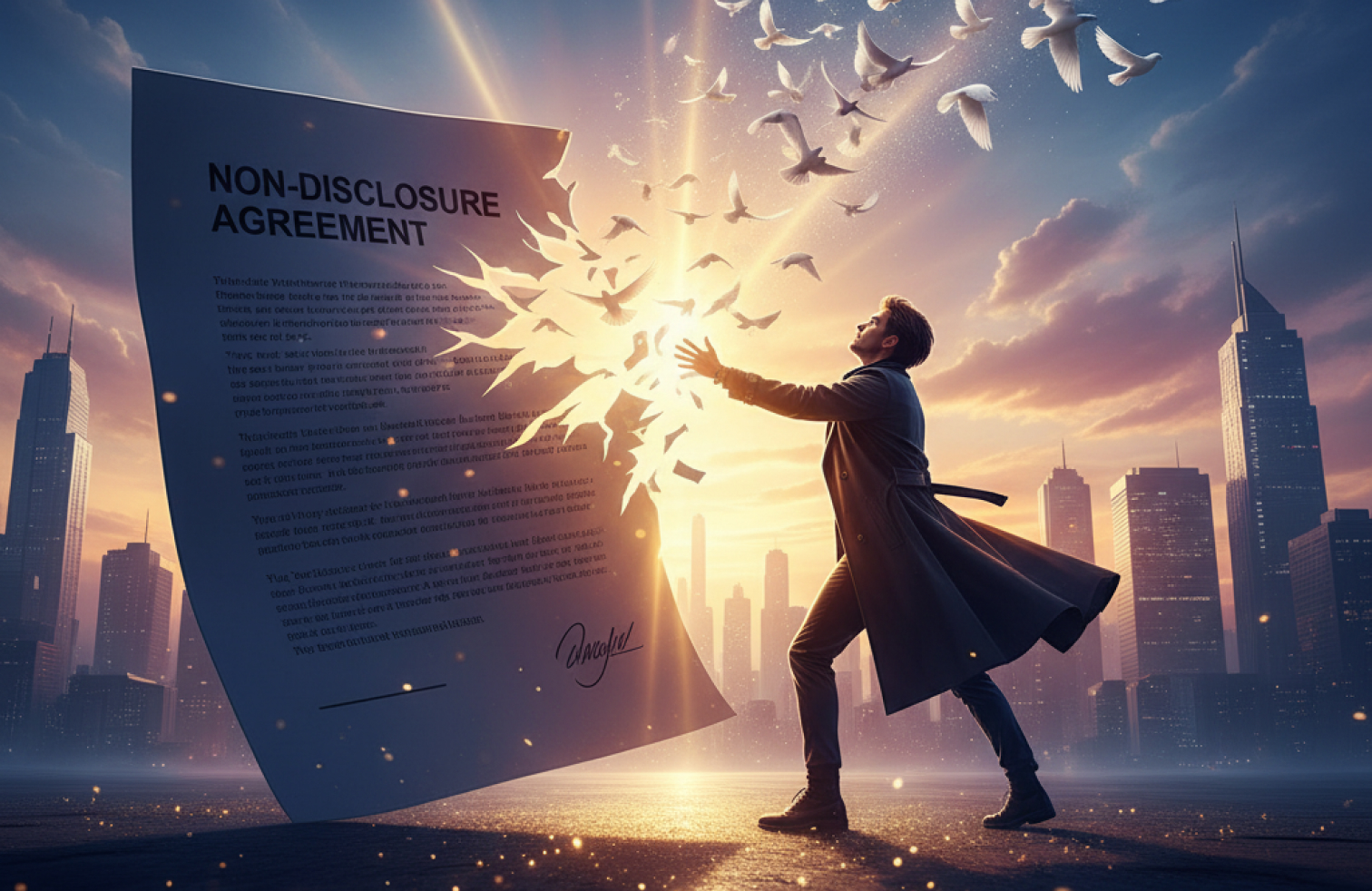
This guide is for anyone silenced by an abusive Non-Disclosure Agreement (NDA). Understand your rights, explore your options, and find the support you need to reclaim your voice.Legal Disclaimer
The information provided on this page does not, and is not intended to, constitute legal advice; instead, all information, content, and materials available on this page are for general informational purposes only. You should contact an attorney to obtain advice with respect to any particular legal matter.Why Your NDA May Be Unenforceable
NDAs are not unbreakable shields for abuse. The law provides several avenues to challenge agreements that aim to conceal illegal activities or violate public policy. This section explores the key legal and psychological dynamics that can render a silencing NDA invalid.
Key Legal Vulnerabilities
Courts can invalidate contracts that are fundamentally unfair or harmful to society. Click each principle below to learn more.
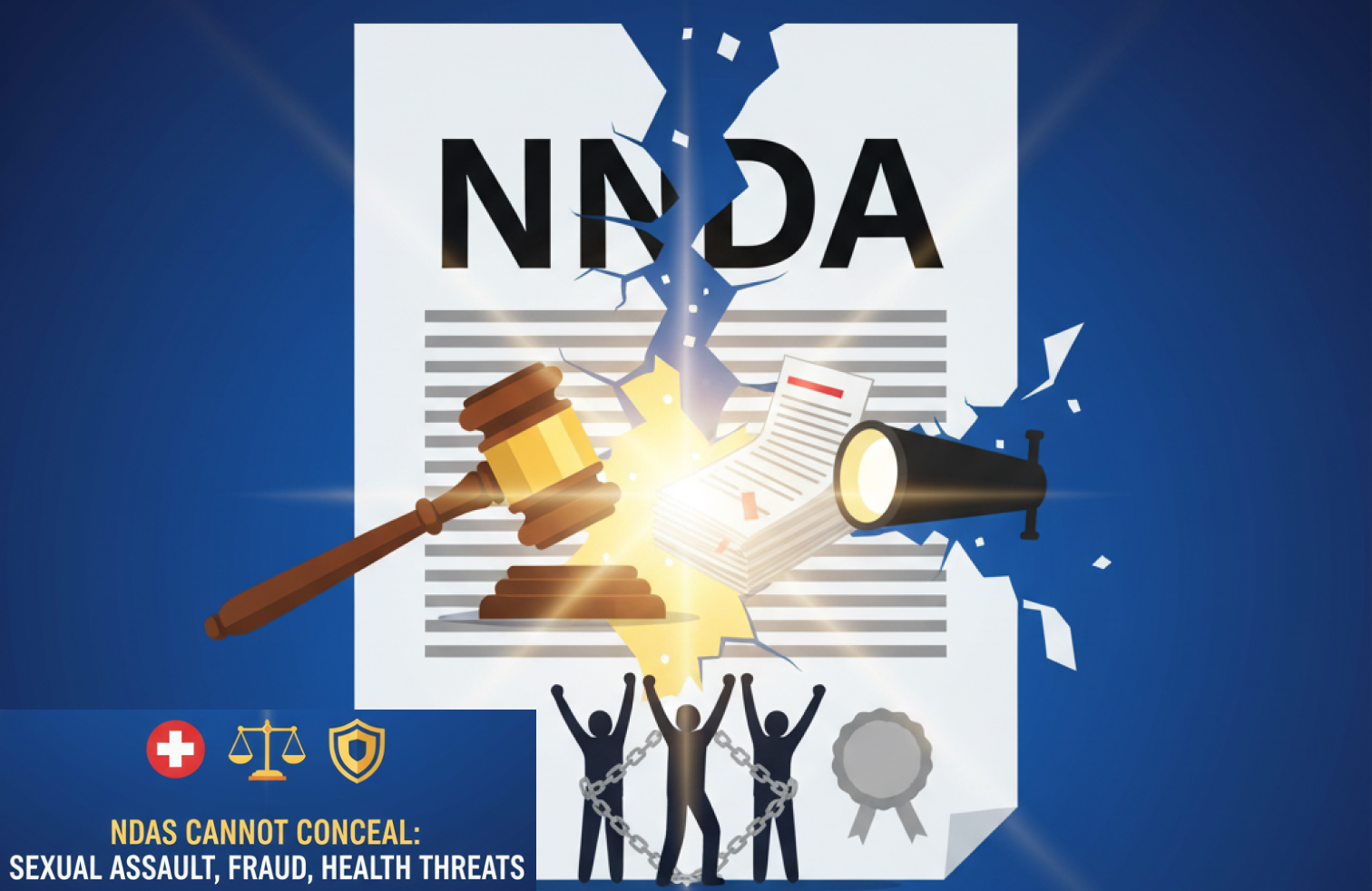
Public Policy Exception
An NDA cannot be used to conceal criminal activity (e.g., sexual assault, financial fraud) or actions that pose a threat to public health and safety. Enforcing silence in such cases is against the public interest.
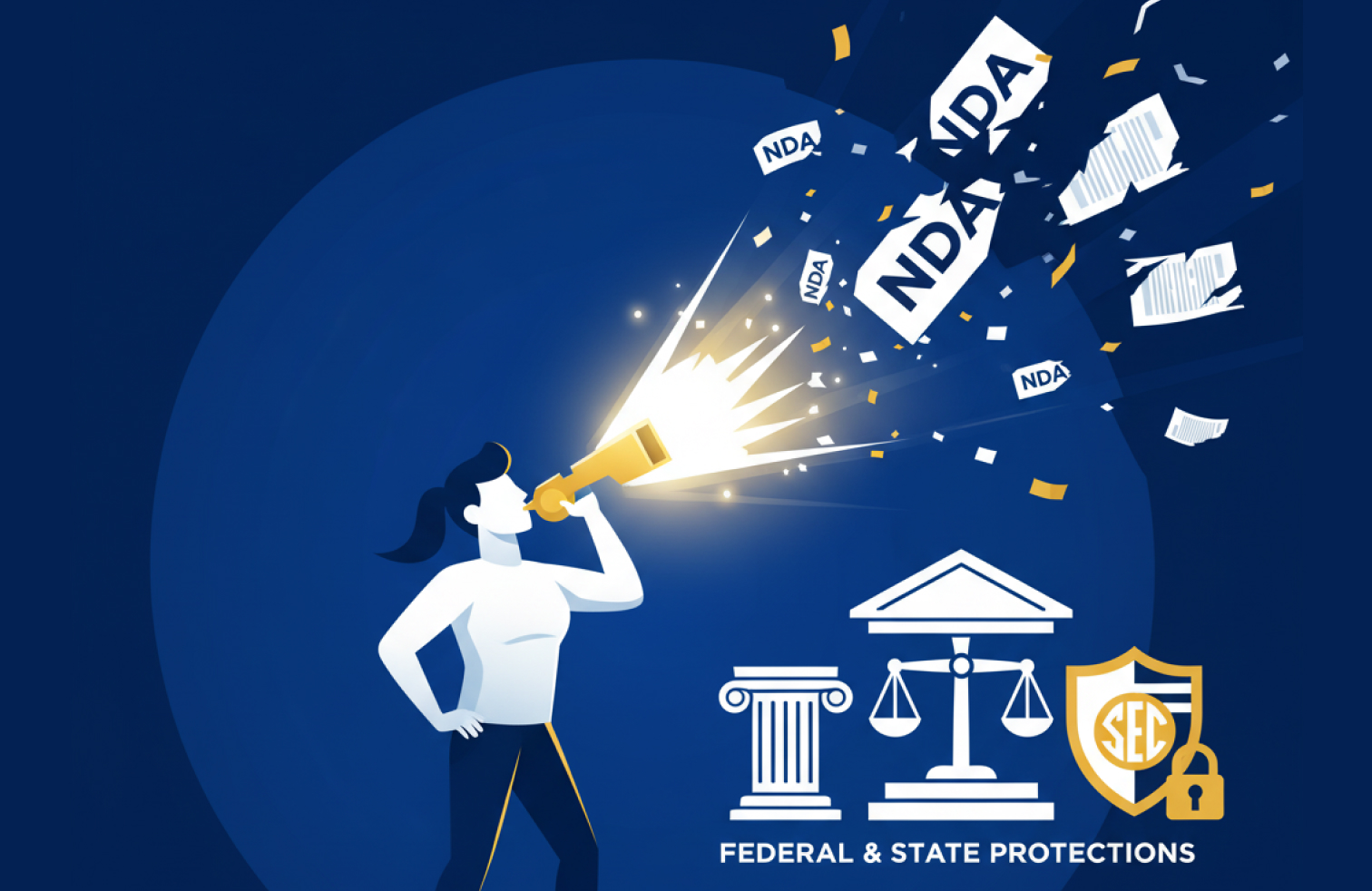
Whistleblower Protections
Federal and state laws protect employees who report illegal activities, discrimination, or harassment to appropriate government agencies (like the SEC or EEOC). These protected disclosures often override an NDA's confidentiality clauses.
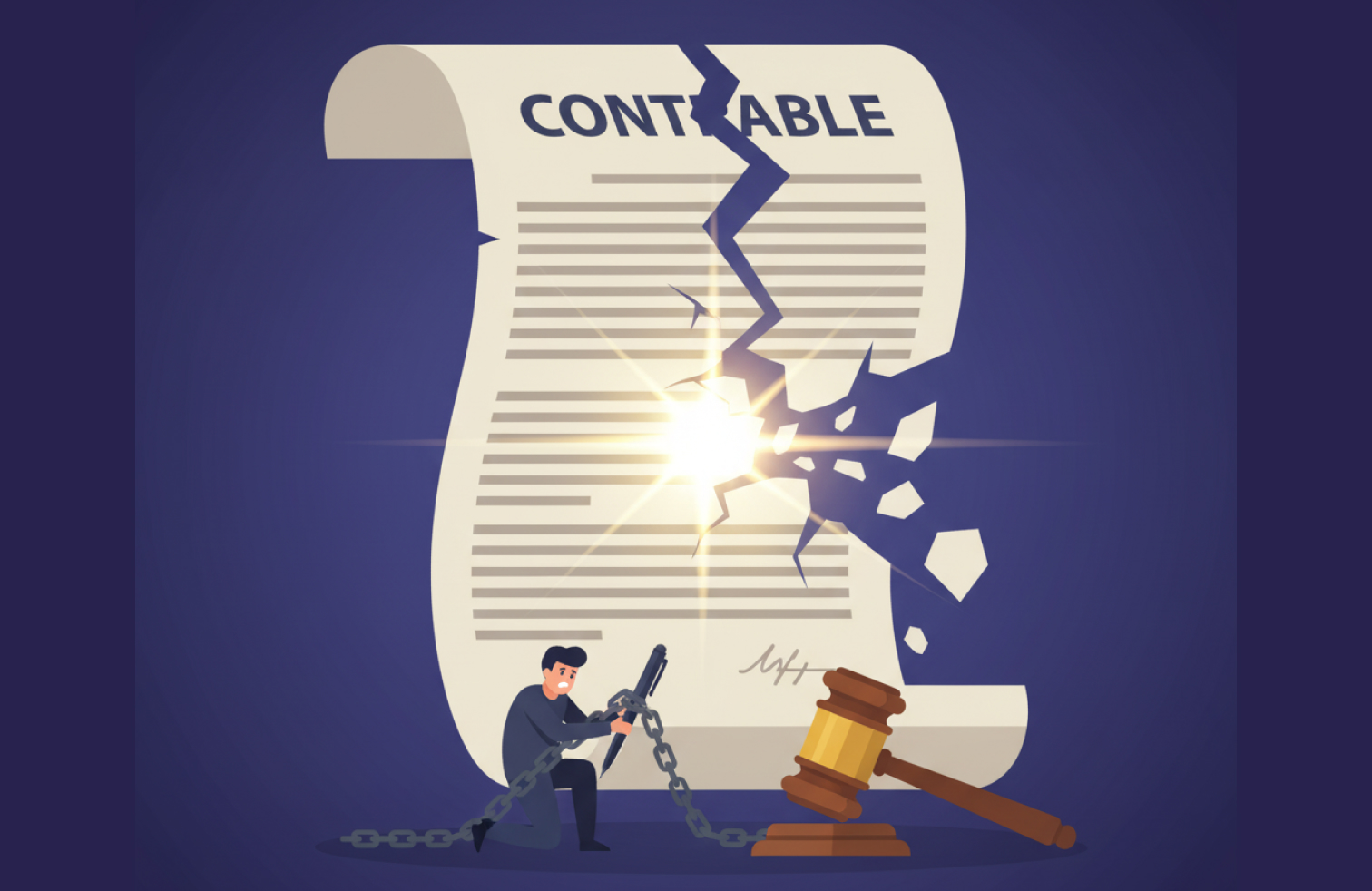
Unconscionable Contracts
A contract may be voided if it is excessively one-sided, oppressive, or signed in a context where one party had no meaningful choice. This often applies when NDAs are presented with take-it-or-leave-it ultimatums.
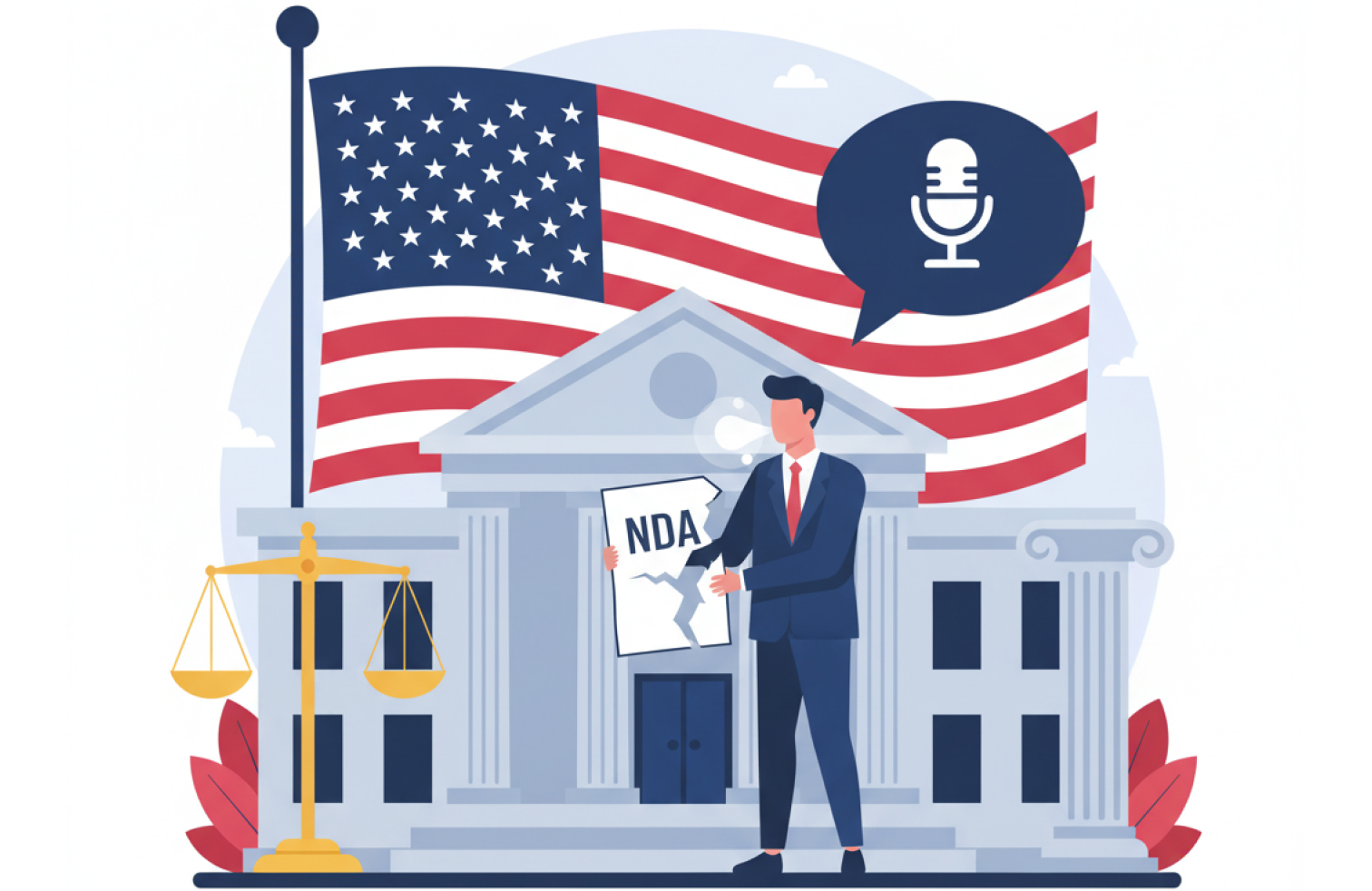
First Amendment Rights (Public Sector)
For government employees, NDAs that restrict speech on matters of public concern can be challenged as unconstitutional violations of free speech, though this is a complex and highly specific area of law.
Psychological Coercion
Abuse isn't just physical. The context in which an NDA is signed matters immensely. Tactics of manipulation and control can undermine the validity of any agreement.
- Power Imbalance: Signed in a situation where one party (e.g., employer, abuser, religious leader) held significant power over the other.
- Emotional Duress:Signed under threat, fear, emotional blackmail, or while in a state of trauma, where free will was compromised.
- Gaslighting & Deception: You were misled about the document's purpose, scope, or your legal rights (fraudulent inducement).
Where NDA Misuse Happens
While NDAs have legitimate uses in protecting business secrets, they are frequently misused to silence victims across various sectors. This visualization highlights the primary contexts where such abuse occurs, helping to contextualize the widespread nature of the problem.
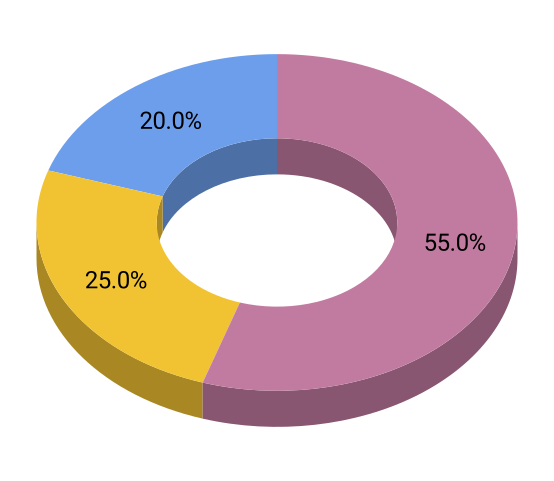
- Workplace Harrassment & Discrimination: 55%
- Religious Institutions: 25%
- Domestic Abuse & relationships: 20%
Your Path to Action
Taking the first step is often the hardest. This action plan breaks down the process into manageable steps. Remember, you do not have to do this alone. Each step is about gathering information and support to make the best decision for you.
Step 1: Secure Consultation
Contact a contract or employment lawyer. Many offer free initial consultations. Do not breach the NDA before getting legal advice. Review the document with them to identify its specific weaknesses.
Step 2: Document Everything
Safely and confidentially gather any evidence related to the underlying issue (e.g., emails, texts, records of abuse or harassment) and the circumstances of the NDA signing (e.g., proof of coercion).
Step 3: Explore Protected Disclosures
Ask your lawyer about whistleblower protections or reporting to government agencies like the EEOC (Equal Employment Opportunity Commission). Disclosing illegal activity to a relevant authority is often legally protected, regardless of an NDA.
Step 4: Build Your Support Network
Connect with the organizations listed below. Speaking with advocates, therapists, and survivor networks provides critical emotional and strategic support through this challenging process.
Find Support Now
You are not alone. There are numerous organizations dedicated to providing legal aid, advocacy, and emotional support. Use the filters below to find the type of help you need, from legal professionals who challenge unethical contracts to support groups for survivors.
LEGAL AID
National Women’s Law Center
Focuses on workplace harassment and discrimination. Their Legal Network for Gender Equity can help connect individuals with attorneys.
Visit Site >>American Bar Association Pro Bono
Connects individuals with volunteer lawyers and legal aid programs across the country for various legal issues, including contract disputes.
Visit Site >>ACLU (American Civil Liberties Union)
Engages in cases involving freedom of speech and civil liberties, which can sometimes intersect with overly broad or unconstitutional NDAs.
Visit Site >>State Bar Associations
Most state bar associations have referral services, many of which can connect you to lawyers who offer free or low-cost consultations.
Visit Site >>WORKPLACE & WHISTLEBLOWER
Whistleblower Aid
A non-profit law firm that provides free legal services to individuals who witness and wish to report government or corporate lawbreaking.
Visit Site >>EEOC (U.S. Equal Employment Opportunity Commission)
The federal agency responsible for enforcing federal laws that make it illegal to discriminate against a job applicant or an employee.
Visit Site >>DOMESTIC & SEXUAL VIOLENCE
National Center on Domestic and Sexual Violence
While not focused on NDAs, they provide extensive resources and support for victims of abuse, which often intersects with coercive contracts.
Visit Site >>RAINN (Rape, Abuse & Incest National Network)
The nation's largest anti-sexual violence organization. RAINN created and operates the National Sexual Assault Hotline.
Visit Site >>Related
Hover to reveal text (if you're on desktop) - click on smartphone to expand text
Relationship & Union Agreement
 Have you thought about what you want in your romantic relationship? Have you documented it or just thought about it as "obvious"?...
Read >>
Silence is Not a Contract.
 This guide is for anyone silenced by an abusive Non-Disclosure Agreement (NDA). Understand your rights, explore your options, and find the support you need to reclaim your voice.
Read >>
The Instrument of Silence: A Report on NDA Misuse, Legal Vulnerabilities, and Victim Protection Strategies
NDA's can be misused to attempt the coverage of illegal acts, they do not hold legitimacy...
Read >>
 Just a small SFW Galleary
A Guide to Understanding, Preventing, and Treating STIs, STDs, and HIV
 Sexual health is a fundamental component of overall well-being, yet conversations about sexually transmitted infections (STIs) often remain shrouded in fear and misinformation...
Read >>